Introduction
Imagine coming home to a leaky roof after a storm. While it's tempting to focus solely on the shingles or tiles, don't overlook the unsung hero beneath them—roofing underlayment. In San Diego, where unpredictable weather can turn sunny skies into torrential rains in minutes, proper underlayment is crucial for protecting your home from water damage. This blog will delve into why underlayment is so important, current costs, key considerations specific to San Diego, and how to choose the right one for your roof.
Current 2026 Costs and Pricing
The cost of roofing underlayment can vary based on material type, quality, and labor. In 2026, you can expect to pay between $15,000-$45,000 for a complete roof replacement that includes new underlayment. For example, synthetic underlayment typically costs around $3 per square foot, while asphalt-saturated felt (often called tar paper) is about $2 per square foot. Labor costs will add significantly to these figures, with roofing contractors charging an average of $5-$10 per square foot for installation.


Cost Breakdown for San Diego Homeowners
Understanding the full cost scope helps you budget accurately and avoid surprise expenses during your project. In San Diego, CA, here's what you can expect:
- Typical project range: $8,000–$25,000 depending on size, materials, and complexity
- Permit fees: Vary by jurisdiction, typically $200–$2,000 for residential projects in San Diego County
- Material costs: Typically 40–50% of total project budget
- Labor costs: Typically 40–50% of total project budget
- Contingency fund: Always budget 10–15% extra for unforeseen issues, especially in older San Diego homes
The final cost depends on your specific property conditions, the quality of materials you select, and current labor rates in the San Diego market. Homes in neighborhoods like La Jolla and Pacific Beach may have different considerations due to lot size, access, and existing construction quality.
San Diego-Specific Considerations
Every San Diego remodeling project must account for local building codes, climate factors, and neighborhood characteristics:
- Permit requirements: Roofing permit required by most San Diego jurisdictions. Contact City of San Diego Development Services for current requirements.
- Climate considerations: Mediterranean climate with year-round sunshine, average 70°F, minimal rainfall May through October. Material selection should account for temperature variations and sun exposure.
- Neighborhood specifics: San Diego neighborhoods including La Jolla, Pacific Beach, Mission Valley, Hillcrest, North Park each have unique zoning rules, HOA restrictions, and architectural character that impact remodeling decisions.
- Property values: Average home values in San Diego are around $850,000, making quality remodeling a strong investment for equity building.
- Contractor licensing: Always verify your contractor's CSLB license. We carry CSLB #1054602 and maintain current insurance and bonding.
Project Timeline & Process
A typical project in San Diego follows this timeline:
- Initial consultation (1–2 weeks): On-site assessment, measurements, and discussion of your goals and budget
- Design & planning (2–4 weeks): Detailed plans, material selection, and permit submission to City of San Diego Development Services
- Permit processing (2–6 weeks): Varies by jurisdiction and project scope — San Diego permit timelines can vary significantly
- Construction (3–7 days): The actual build phase, with regular progress updates and quality inspections
- Final inspection & walkthrough (1 week): Punch list resolution, final cleaning, and project handover
Total project duration typically runs 3–6 months from initial consultation to completion, depending on permit timelines and project complexity. We provide detailed schedules and weekly progress reports throughout construction.
Key Considerations Before You Start
Before beginning your project in San Diego, consider these critical factors:
- Asphalt shingle vs tile vs metal roofing lifespan comparison
- Cool roof requirements under California Title 24
- Solar-ready roofing preparation
- Roing warranty types and what they actually cover
- Storm and wildfire resistant roofing materials
Why Work With a Local San Diego Contractor
Choosing a locally-based, licensed contractor for your San Diego project provides significant advantages:
- Local knowledge: We understand San Diego building codes, permit processes, and inspection requirements — avoiding costly delays and rework
- Established relationships: We work regularly with City of San Diego Development Services inspectors and local suppliers, streamlining your project
- Quick response: Local presence means faster site visits, quicker problem resolution, and ongoing support after project completion
- Community accountability: As a San Diego-area contractor, our reputation depends on every project we complete in the community
- Warranty support: We stand behind our work with comprehensive warranties and local service — no out-of-town contractor disappearing after the job
Call us at (858) 434-7166 to schedule your free consultation. We serve all of All of San Diego County including coastal communities, inland valleys, and North County cities.
Frequently Asked Questions
How much does a project cost in San Diego?
Project costs in San Diego typically range from $8,000–$25,000 depending on scope, materials, and property conditions. We provide detailed, itemized estimates after an on-site consultation so you know exactly what you're paying for.
Do I need a permit for my project in San Diego?
Roofing permit required by most San Diego jurisdictions. We handle all permit applications and coordinate with City of San Diego Development Services on your behalf, ensuring your project meets all local building codes and passes inspection.
How long does a typical project take in San Diego?
The construction phase typically takes 3–7 days, but the full process from consultation to completion usually spans 3–6 months including design, permitting, and construction. We provide detailed timelines during the planning phase.
Are you licensed and insured in California?
Yes. We carry CSLB license #1054602, maintain comprehensive general liability insurance, and carry workers' compensation coverage. We're happy to provide proof of licensing and insurance before starting any project.
What areas do you serve around San Diego?
We serve All of San Diego County including coastal communities, inland valleys, and North County cities. This includes neighborhoods and communities such as La Jolla, Pacific Beach, Mission Valley, Hillcrest, North Park, Clairemont, and surrounding areas. Call (858) 434-7166 to confirm we serve your location.
Key Considerations for San Diego
San Diego's Mediterranean climate means homeowners need to consider factors like high winds, heavy rains, and occasional wildfires when choosing underlayment. Here are some key points to keep in mind:
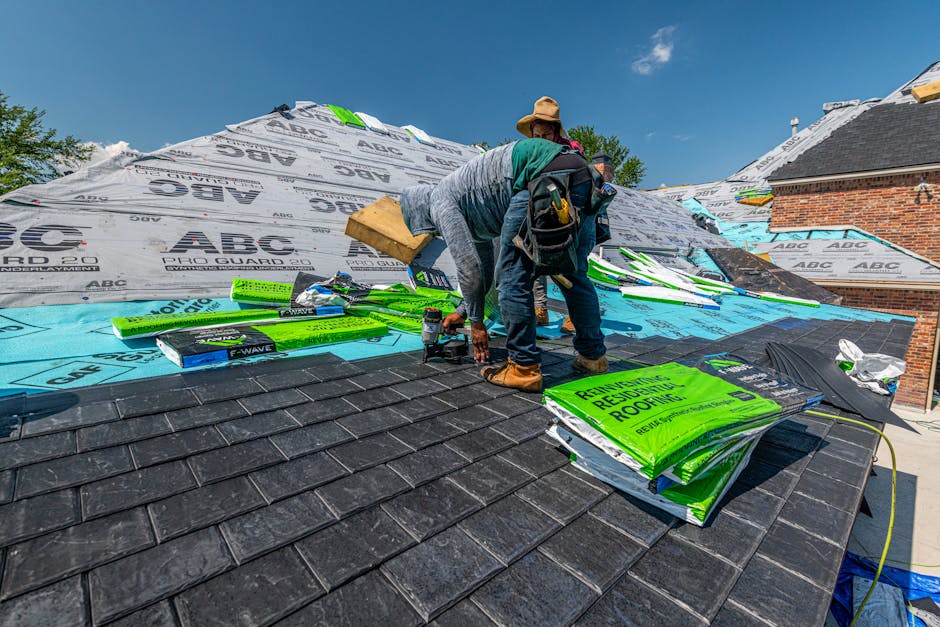
- Climate Factors: High winds can tear off lightweight underlayment, so choose a material that provides sturdy protection.
- Permits: In San Diego County, permits are required for all residential roofing projects. Check with your local building department to ensure compliance with codes like California Building Codes and Title 24 energy efficiency standards.
- Neighborhoods: Different neighborhoods may have specific HOA requirements or aesthetic preferences that influence underlayment choices.
Step-by-Step Guide
To ensure your roof is protected, follow these steps for selecting and installing the right underlayment:
- Assess Your Needs: Evaluate your home's exposure to wind, rain, and other weather conditions. Consult with a professional roofer if necessary.
- Select the Material: Choose between synthetic or asphalt-saturated felt based on durability, cost, and ease of installation. Synthetic underlayment is generally more expensive but offers better protection against high winds and UV damage.
- Purchase the Underlayment: Buy enough material to cover your entire roof, including overlaps. Measure carefully to avoid running short.
- Obtain Permits: Apply for any necessary permits from your local building department. Ensure compliance with all relevant codes and standards.
- Install the Underlayment: Lay down a layer of underlayment over your roof deck, overlapping each sheet by at least 2 inches. Use roofing nails to secure it in place.
San Diego Neighborhoods
Each neighborhood in San Diego has its own unique charm and characteristics that may influence your choice of underlayment:
- La Jolla: Known for its luxury homes and Mediterranean architecture, La Jolla homeowners might prefer synthetic underlayment for its durability and resistance to UV damage.
- Del Mar: With its coastal setting, Del Mar residents should consider high-quality underlayment that can withstand strong winds and heavy rains.
- Pacific Beach: Similar to Del Mar, Pacific Beach needs underlayment that can handle the area's harsh weather conditions.
- Coronado: Coronado's historic architecture may require specific types of underlayment that match existing roofing materials while providing adequate protection.
- Rancho Santa Fe: The upscale community of Rancho Santa Fe emphasizes high-quality building materials, including robust underlayment options.
Frequently Asked Questions
What is roofing underlayment?
Roofing underlayment is a protective layer installed beneath shingles or tiles. It acts as a secondary barrier to water and wind, providing an additional level of protection for your home's roof deck.
Do I need new underlayment when replacing my roof?
Yes, it's highly recommended to install new underlayment during a roof replacement. Old or damaged underlayment can compromise the integrity of your new roof, leading to leaks and other water damage issues.
How long does roofing underlayment last?
The lifespan of roofing underlayment depends on the material and quality. Synthetic underlayment typically lasts 25-30 years, while asphalt-saturated felt has a shorter lifespan of about 15-20 years.
Can I install my own roof underlayment?
While it's possible to install your own roof underlayment, it requires careful planning and attention to detail. If you're not experienced with roofing projects, consider hiring a professional roofer to ensure proper installation and compliance with building codes.
What are the benefits of using synthetic underlayment over asphalt-saturated felt?
Synthetic underlayment offers several advantages over traditional felt, including better protection against wind uplift, UV damage, and water infiltration. It's also more tear-resistant and durable, making it a smarter investment for long-term roof health.