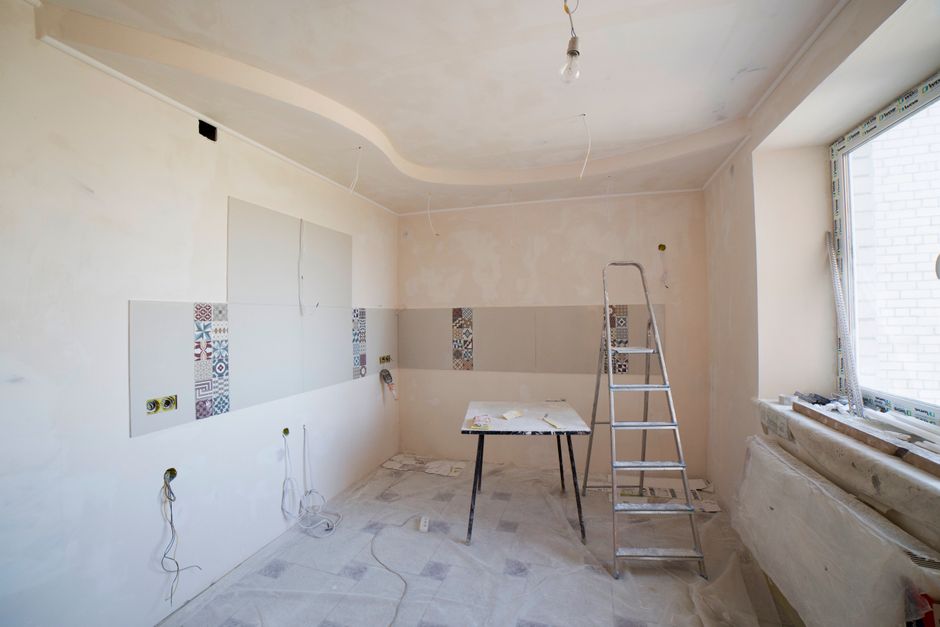

Good projects are calm projects. Calm comes from clear priorities, realistic timelines, and decisions made early.
Mini scenario: Imagine you are planning architect engineer roles commercial. The best results come from clear scope, early decisions, and a calm sequence that respects lead times and inspections.
Designer lens
Focus on design around daily routines, not trends so the result feels coherent and easy to maintain.
Commercial build clarity map
Define program and opening date
Confirm lease responsibilities and approvals
Create a clean permit set and respond fast
Order long lead items early
Build in phases and protect operations
Close out with manuals, warranties, and training
Related search phrases
- architect engineer roles commercial checklist
- architect engineer roles commercial timeline
- architect engineer roles commercial cost drivers
- architect engineer roles commercial permit process
- architect engineer roles commercial questions to ask
Key takeaways
- Clarity comes from written scope and early decisions
- Close out with a punch list and documentation
- Protect the home or business with site protection
- Use a communication rhythm to reduce stress
- Compare bids only after scope is aligned
Advertisement
Related Articles
Cost Breakdown for San Diego Homeowners
Understanding the full cost scope helps you budget accurately and avoid surprise expenses during your project. In San Diego, CA, here's what you can expect:
- Typical project range: varies by project scope depending on size, materials, and complexity
- Permit fees: Vary by jurisdiction, typically $200–$2,000 for residential projects in San Diego County
- Material costs: Typically 40–50% of total project budget
- Labor costs: Typically 40–50% of total project budget
- Contingency fund: Always budget 10–15% extra for unforeseen issues, especially in older San Diego homes
The final cost depends on your specific property conditions, the quality of materials you select, and current labor rates in the San Diego market. Homes in neighborhoods like La Jolla and Pacific Beach may have different considerations due to lot size, access, and existing construction quality.
San Diego-Specific Considerations
Every San Diego remodeling project must account for local building codes, climate factors, and neighborhood characteristics:
- Permit requirements: contact local building department. Contact City of San Diego Development Services for current requirements.
- Climate considerations: Mediterranean climate with year-round sunshine, average 70°F, minimal rainfall May through October. Material selection should account for temperature variations and sun exposure.
- Neighborhood specifics: San Diego neighborhoods including La Jolla, Pacific Beach, Mission Valley, Hillcrest, North Park each have unique zoning rules, HOA restrictions, and architectural character that impact remodeling decisions.
- Property values: Average home values in San Diego are around $850,000, making quality remodeling a strong investment for equity building.
- Contractor licensing: Always verify your contractor's CSLB license. We carry CSLB #1054602 and maintain current insurance and bonding.
Project Timeline & Process
A typical project in San Diego follows this timeline:
- Initial consultation (1–2 weeks): On-site assessment, measurements, and discussion of your goals and budget
- Design & planning (2–4 weeks): Detailed plans, material selection, and permit submission to City of San Diego Development Services
- Permit processing (2–6 weeks): Varies by jurisdiction and project scope — San Diego permit timelines can vary significantly
- Construction (varies by project complexity): The actual build phase, with regular progress updates and quality inspections
- Final inspection & walkthrough (1 week): Punch list resolution, final cleaning, and project handover
Total project duration typically runs 3–6 months from initial consultation to completion, depending on permit timelines and project complexity. We provide detailed schedules and weekly progress reports throughout construction.
Key Considerations Before You Start
Before beginning your project in San Diego, consider these critical factors:
- Project planning and design considerations
- Material selection and quality standards
- Permit and inspection requirements
- Timeline and scheduling expectations
- Budget planning and financing options
Why Work With a Local San Diego Contractor
Choosing a locally-based, licensed contractor for your San Diego project provides significant advantages:
- Local knowledge: We understand San Diego building codes, permit processes, and inspection requirements — avoiding costly delays and rework
- Established relationships: We work regularly with City of San Diego Development Services inspectors and local suppliers, streamlining your project
- Quick response: Local presence means faster site visits, quicker problem resolution, and ongoing support after project completion
- Community accountability: As a San Diego-area contractor, our reputation depends on every project we complete in the community
- Warranty support: We stand behind our work with comprehensive warranties and local service — no out-of-town contractor disappearing after the job
Call us at (858) 434-7166 to schedule your free consultation. We serve all of All of San Diego County including coastal communities, inland valleys, and North County cities.
Frequently Asked Questions
How much does a project cost in San Diego?
Project costs in San Diego typically range from varies by project scope depending on scope, materials, and property conditions. We provide detailed, itemized estimates after an on-site consultation so you know exactly what you're paying for.
Do I need a permit for my project in San Diego?
contact local building department. We handle all permit applications and coordinate with City of San Diego Development Services on your behalf, ensuring your project meets all local building codes and passes inspection.
How long does a typical project take in San Diego?
The construction phase typically takes varies by project complexity, but the full process from consultation to completion usually spans 3–6 months including design, permitting, and construction. We provide detailed timelines during the planning phase.
Are you licensed and insured in California?
Yes. We carry CSLB license #1054602, maintain comprehensive general liability insurance, and carry workers' compensation coverage. We're happy to provide proof of licensing and insurance before starting any project.
What areas do you serve around San Diego?
We serve All of San Diego County including coastal communities, inland valleys, and North County cities. This includes neighborhoods and communities such as La Jolla, Pacific Beach, Mission Valley, Hillcrest, North Park, Clairemont, and surrounding areas. Call (858) 434-7166 to confirm we serve your location.

Get Your Free Project Estimate
Licensed contractors. No obligation. CSLB #1054602.
What it is
Architect and engineer roles in commercial projects: who does what is a planning topic. The goal is not to memorize rules. The goal is to make decisions in the right order so the build is predictable.
Why it matters
When this is planned well, your project feels calmer. The schedule becomes easier to protect and the budget becomes easier to control.
Step by step approach
- Create a test fit layout and confirm accessibility impacts
- Plan phasing to protect operations and keep access clear
- Coordinate engineering and life safety early
- Order long lead items as soon as the permit set is stable
- Close out with inspections, training, manuals, and warranties
- Write the business program: people, equipment, brand feel, opening date
- Confirm lease responsibilities and landlord approval process
Use this list as a decision sequence. Planning time is cheaper than construction time.
Advertisement
Deep dive
Deep dive
This topic becomes easier when you focus on a clear sequence of decisions and written documentation. Use the checklists below as your anchor.
Scope starter
If you need to request bids or align expectations, use this starter scope template and customize it for your project.
Commercial scope starter
Space address and suite number
Business program and equipment list
Demolition and prep scope
Walls, ceilings, doors, glazing
Mechanical electrical plumbing scope
Life safety and accessibility scope
Finishes and brand elements
Phasing and access constraints
Closeout documents and training
San Diego considerations
Commercial permits often involve multiple disciplines and reviews. Coordinate landlord approvals in parallel.
San Diego note
If your project is in San Diego County, confirm requirements with the City or County office that covers your address.
Decision matrix
Use this quick matrix to choose an approach that fits your priorities.
| Option | Best for | Tradeoffs |
|---|---|---|
| Full shutdown build | Fastest construction sequence | Lost revenue during closure |
| Phased build | Keep operations open | More coordination, may cost more |
| After hours work | Protect customers and staff | Premium labor and noise constraints |
Cost and timeline drivers
Most surprises are predictable when you know where they come from. Use these lists to plan and to compare options.
Cost drivers
- Mechanical and electrical upgrades for equipment
- Fire and life safety coordination
- Lease and landlord standards
- Plan review corrections and resubmittals
- Durability requirements for high traffic finishes
- Accessibility impacts and path of travel scope
- Phasing and after hours work
- Long lead items such as HVAC and doors
Timeline drivers
- Long lead items tied to opening date
- Night or weekend work constraints
- Inspections and sign offs for turnover
- Plan review and correction cycles
- Landlord approvals and coordination meetings
Planning tip
Documentation reduces unknowns. Unknowns create cost and schedule risk.
Advertisement
Documents to gather
Projects move faster when the right information is ready. This list is a practical starting point.
- Long lead procurement list with target dates
- Lease responsibility summary and landlord standards
- Test fit layout and customer flow diagram
- Closeout manuals, warranties, and training checklist
- Safety and phasing plan if occupied
- Business program and equipment list
- Permit set and engineering documents
Questions to ask
- How will accessibility and life safety be addressed
- How will phasing protect staff and customers if occupied
- What long lead items could affect the opening date
- What closeout documents will I receive for operations
- What is the change order approval rule
- What is the realistic plan review timeline for this scope
- What approvals are required from the landlord and when
Red flags
- Closeout documentation not discussed
- No plan for phasing or occupant safety
- No clarity on lease responsibilities or landlord standards
- Unrealistic opening date with no buffer
- Vague scope with many assumptions
- Long lead items ignored until late
Advertisement
Checklist
- Scope and allowances defined in writing
- Protection plan and communication rhythm set
- Decision calendar created for long lead items
- Existing conditions photographed and measured
- Inspection milestones planned
- Goal and priorities written in one page
- Closeout folder planned for manuals and warranties
Common mistakes
- Approving changes verbally without documentation
- Ignoring lead times for long lead materials
- Skipping protection and cleanup expectations
- Starting work before key selections are decided
- Assuming inspection timing will be instant
- Comparing bids that do not share the same scope
- Overcomplicating design with too many materials
FAQs
What is the first step in architect engineer roles commercial
Define the business program and opening date, then confirm lease responsibilities and required approvals.
What should I expect at turnover
Expect a punch list period plus manuals, warranties, and basic training for building systems.
How do permits affect architect engineer roles commercial
Commercial permits can drive the schedule. Plan for review cycles, corrections, and inspections as milestones.
Who coordinates engineering and life safety
Usually the design team and contractor coordinate, but roles must be clear in writing before permitting.
What causes cost overruns in architect engineer roles commercial
Scope changes, long lead items, and hidden conditions are common drivers. Documentation reduces surprises.
How do I keep the brand feel consistent
Define a small set of brand cues, then repeat them: lighting, materials, colors, and signage style.
Can I stay open during construction
Often yes with phasing and dust control. After hours work may be an option depending on rules and neighbors.
Advertisement
Glossary
- Turnover: Handoff of the space plus manuals, training, and approvals
- Path of travel: The accessible route to the space and key features
- Submittal: Product information submitted for approval before installation
- RFI: Request for information used to clarify plans
- Life safety: Systems and design elements that support safe egress
- Plan review: Agency review of drawings before permit issuance
- Tenant improvement: Construction work to fit a leased space for business use
Helpful resources
Related guides
- Permit responses and plan check corrections: a practical approach
- Retail buildout planning guide: customer flow, lighting, and durability
- Working in occupied buildings: phasing, safety, and communication
- Commercial schedule planning for opening day: milestones and buffers
- Trade sequencing and coordination: how commercial projects stay efficient
- Commercial doors, hardware, and access control coordination basics
Advertisement
Next steps
If you are planning work in San Diego County and want guidance, contact RemodelSD.
Free downloads