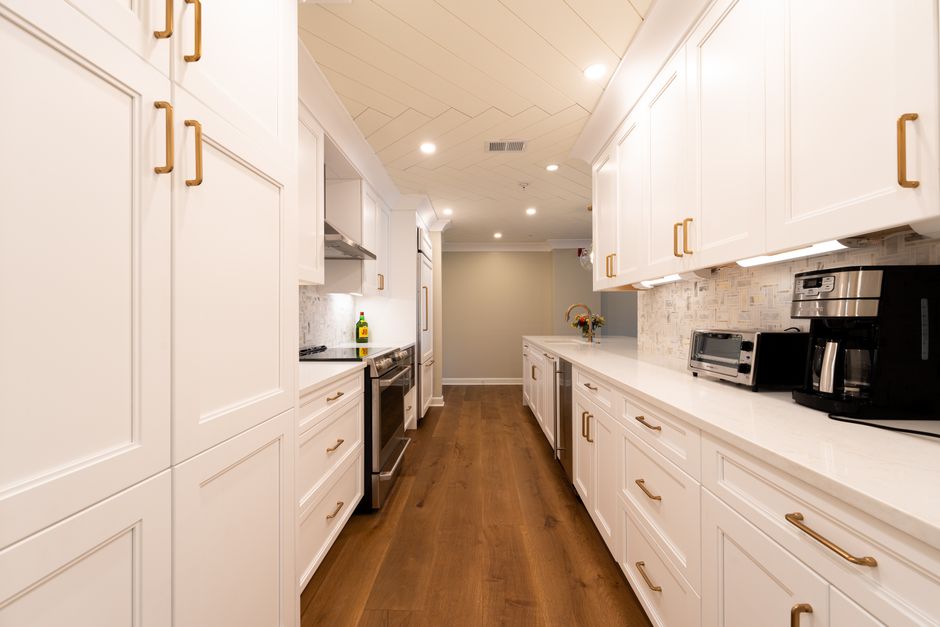
Do You Need a Permit for Kitchen Remodeling in Chula Vista?
RemodelSD | Design-Build General Contractor Phone: (760) 818-6121 | Email: PUT-YOUR-EMAIL-HERE | Website: https://remodellsd.com Maps: https://maps.google.com/?q=San+Diego+CA Licensed & Insured General Contractor (CA). Serving San Diego County and surrounding areas. Last updated: January 2026Table of Contents
- The short answer (most homeowners)
- Work that commonly requires permits
- Work that may not require permits
- Common inspection points in a kitchen remodel
- HOA and condo considerations
- How permit problems happen (and how to avoid them)
- Permit myths that get homeowners in trouble
- How to talk with the city (what to ask)
- How to get an estimate
- Who we are
- What happens next
- Trust section
The short answer (most homeowners)
If your kitchen remodeling in Chula Vista includes electrical changes, plumbing changes, gas work, structural changes, or new ventilation ducting, you should expect permits to be part of the conversation.
If you’re only doing surface updates (like cabinets and countertops) and you’re not changing utilities, permits may be limited or not required—but don’t guess. Rules depend on the exact scope, and “small” changes can still trigger permitting if they touch regulated systems.
For cost implications and how permitting affects timelines, see: and .
Work that commonly requires permits
This is the work that most often triggers permits and inspections:
Electrical
- Adding new circuits or moving circuits
- Reworking kitchen receptacles, GFCI protection, or dedicated appliance circuits
- Panel work or subpanel changes
- Adding significant lighting circuits or new switching layouts
Plumbing
- Moving the sink, dishwasher connection, or fridge water supply
- Replacing supply/drain lines in a way that changes routing
- Adding a pot filler or second sink
- Any work that meaningfully alters the plumbing system
Gas
- Moving a gas range location
- Changing gas line routing or sizing
- Converting appliance types (for example, switching to gas where none existed)
Structural / framing
- Removing or modifying walls
- Enlarging openings or changing headers
- Any structural change tied to an “open concept” plan
Ventilation changes
- New or altered range hood ducting paths
- New roof/wall terminations
- Changes that affect fire/safety clearances or roof penetrations
When in doubt, verify with City of Chula Vista Development Services Department (or equivalent local building office). They see these questions all day, and a short call early can save weeks later.
Work that may not require permits
Examples that are often less permit-intensive (again: confirm for your specific scope):
- Replacing cabinets without moving plumbing/electrical
- Replacing countertops and backsplash
- Painting and cosmetic finish work
- Like-for-like appliance replacements (when no wiring/gas changes are required)
The catch is that “like-for-like” isn’t always like-for-like. A new appliance can draw different power, require a different circuit, or change ventilation needs.
Common inspection points in a kitchen remodel
If permits apply, the inspection sequence is usually tied to the stages where systems are concealed:
Rough electrical (before drywall closes)
Inspectors generally want to see:- Circuiting and connections before they’re covered
- Proper protection devices (where applicable)
- Clear labeling and safe routing
Rough plumbing (before walls close)
- Proper connections and routing
- Leak testing, venting, and correct materials (as applicable)
Framing / structural (if walls change)
- Proper framing, headers, and load path (if structural changes are involved)
- Fixtures installed, outlets and devices in place, appliances connected
- Overall safety and code compliance confirmation
- Construction hour limits
- Noise and dust control measures
- Contractor insurance documentation
- Elevator reservations and protected common-area routes (condos)
- Parking restrictions for dumpsters and trade vehicles
- It can create headaches at sale time
- It can void parts of insurance coverage depending on circumstances
- It can put the homeowner in the uncomfortable position of being responsible for unpermitted work
- Define scope clearly. The city can’t advise properly if the plan is vague.
- Prepare required documentation. Some scopes need drawings; others don’t. If plans are required, accuracy matters more than artistry.
- Submit and respond. If the city requests clarifications, answer quickly to keep momentum.
- Pull permit and schedule work. A permit is not the end of planning—it’s the green light to start construction in a controlled way.
- Rough-in inspections. Electrical/plumbing (and framing if applicable) are inspected before walls are closed.
- Final inspection and closeout. Final sign-off matters for resale documentation and peace of mind.
Final inspection
Your contractor should be able to explain what inspections apply and why—without acting annoyed that you asked.
HOA and condo considerations
In parts of Chula Vista—especially Eastlake and many townhome/condo communities—HOA rules can be as important as city permits.
Common HOA requirements:
A smooth project treats HOA approvals as part of the schedule, not a last-minute scramble.
How permit problems happen (and how to avoid them)
Permit issues typically come from one of these situations:
1) The scope was described vaguely
If a proposal says “electrical as needed” and nothing else, you don’t know what’s included—and neither does the city. Fix: Ask for a scope that clearly states what’s being changed.2) Work starts before requirements are confirmed
Rushing into demo can feel productive. It’s not productive if it triggers a stop-work order or forces rework. Fix: Confirm permit triggers during planning, not after demolition.3) A contractor suggests skipping permits as a “hack”
This is a common scam-adjacent pattern: “We can save you money by not pulling permits.”Reality:
Permit myths that get homeowners in trouble
Myth: “If it’s inside, it doesn’t need a permit.”
Interior work can absolutely require permits when it touches regulated systems.Myth: “The contractor is responsible, not the homeowner.”
Contractors have responsibilities, but homeowners can still be impacted if work is unpermitted or fails inspection.Myth: “Permits always mean months of delay.”
Not always—but they do mean you should plan early, have complete documentation, and keep scope disciplined.A simple permit pathway (what the process typically looks like)
Exact steps vary by scope, but this is a common sequence when permits apply:
A permit-aware contractor will schedule around inspections instead of treating them as interruptions.
“After-the-fact permits” and why they’re painful
Sometimes homeowners inherit unpermitted work from a previous owner, or a contractor starts work without confirming requirements. Fixing this later can be harder than doing it correctly from day one.
Why it’s harder:
- Walls may need to be opened to verify work.
- Documentation may be missing.
- The project becomes reactive instead of planned.
If you suspect prior unpermitted work in the kitchen, talk to a qualified professional and confirm options with City of Chula Vista Development Services Department (or equivalent local building office) before you remodel on top of it.
What paperwork to keep (small effort, big payoff)
Create a simple folder (digital or physical) with:
- The signed contract and proposal scope
- Permit records and inspection sign-offs (if applicable)
- Change orders (signed)
- Product spec sheets for installed items (especially appliances and fixtures)
- Warranty information and care instructions
This is helpful not only during the project, but also later—when you sell or when something needs service.
When to involve a designer or engineer
Most straightforward kitchen remodels don’t require an architect. But if you’re removing walls, enlarging openings, or making structural changes, having the right drawings (and engineering when required) can prevent costly mid-project corrections. Even for non-structural projects, a simple layout plan that matches your actual appliance specs can reduce rework and keep inspections (if any) clean.
How to talk with the city (what to ask)
When you contact City of Chula Vista Development Services Department (or equivalent local building office), ask:
- Does my scope require a permit?
- Do you require drawings for this scope?
- What inspections are typical for a kitchen remodel with these changes?
- Are there special requirements for condos/townhomes?
If you’re not sure how to describe your scope, we can help you frame it so you get a clear answer.
How to get an estimate
To avoid guesswork (and wildly different bids), we start with a short set of inputs:
- Address and neighborhood (helps us anticipate parking, access, and typical home layouts).
- A few photos of the current kitchen plus a rough sketch with dimensions if you have it.
- Your “must-haves” vs “nice-to-haves” (layout changes, island, pantry, lighting, etc.).
- Finish expectations (midrange vs higher-end) and any appliances you already own.
- Target start window and any deadline you’re trying to hit.
Who we are
We’re RemodelSD, a Design-Build General Contractor working throughout Chula Vista and the surrounding San Diego County area. Our focus is straightforward: plan well, build clean, and communicate like adults.
What homeowners usually notice about our process:- Design-build process (planning and construction under one roof)
- Clear scope, transparent pricing, and realistic timelines
- Permit-aware planning and inspection-ready workmanship
- Clean jobsite habits and consistent communication
What happens next
Here’s the practical, step-by-step path from first contact to a written proposal:
- Call or text us with your address, timeline goals, and a quick description of what you want to change.
- Site visit to measure, review utilities, and talk through layout and finish priorities.
- Scope definition (what’s included, what’s excluded, and what allowances are realistic).
- Timeline discussion based on lead times, trades, and whether permits are needed.
- Written proposal with clear line items and a change-order process (so you’re not guessing later).
- Licensing: Confirm the contractor is properly licensed for the work. (Licensed & Insured General Contractor (CA).)
- Insurance: Ask for current proof of general liability and workers’ comp (or a valid exemption where allowed).
- Permit awareness: A contractor should be willing to pull permits when required and coordinate inspections with City of Chula Vista Development Services Department (or equivalent local building office).
- Cleanliness: Daily site protection, dust control, and a jobsite plan that respects your home.
- Communication: A primary point of contact, documented decisions, and a predictable update cadence.
- Bayfront: Wikimedia Commons (CC BY 2.0) — https://commons.wikimedia.org/wiki/File:ChulaVista_Bayfront_(cropped).jpg
- Kitchen image: Unsplash (Unsplash License)
Trust section
If you’re comparing contractors in Chula Vista, this is the short list that protects you from the most common headaches:
Image credits (for this page)
---
Ready to talk through your kitchen remodeling?
RemodelSD | Design-Build General Contractor Phone: (760) 818-6121 | Email: PUT-YOUR-EMAIL-HERE | Website: https://remodellsd.com Maps: https://maps.google.com/?q=San+Diego+CA Licensed & Insured General Contractor (CA). Serving San Diego County and surrounding areas.Ready to Start Your Chula Vista Project?
Connect with San Diego's premier remodeling company to discuss your remodeling goals. Our team specializes in Chula Vista home renovations and understands the unique needs of local homeowners.