How to Choose a Kitchen Remodeling Contractor in Chula Vista
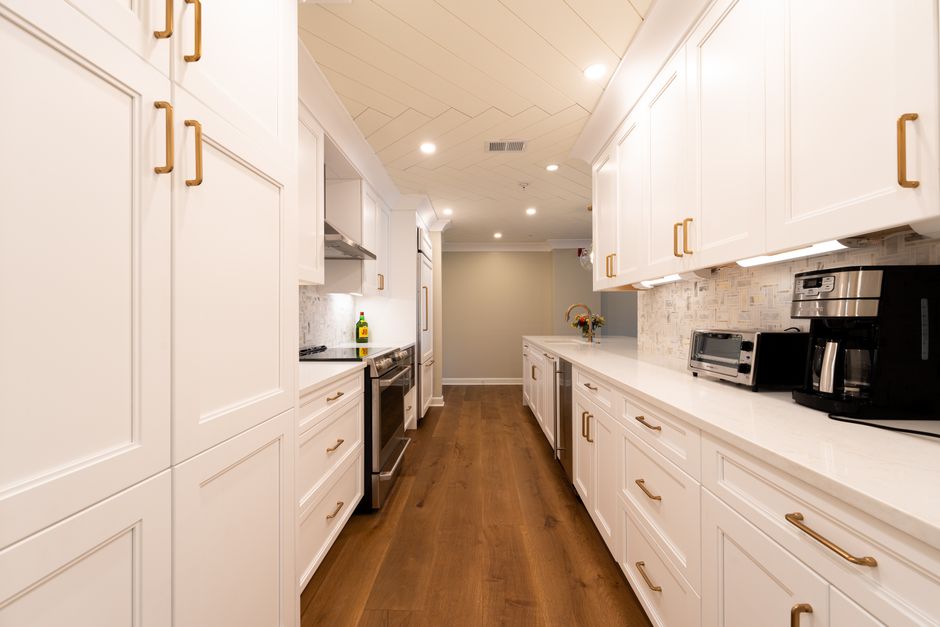
Cali Dream Construction | Design-Build General Contractor Phone: PUT-YOUR-PHONE-HERE | Email: PUT-YOUR-EMAIL-HERE | Website: https://calidreamconstruction.com Maps: https://maps.google.com/?q=San+Diego+CA Licensed & Insured General Contractor (CA). Serving San Diego County and surrounding areas. Last updated: January 2026!Modern kitchen layout with clear workflow
Table of Contents
- Start with the right mindset (what you’re hiring)
- Step 1: Verify license and insurance
- Step 2: Ask questions that reveal process quality
- Step 3: What a good proposal includes
- Step 4: Payment schedule best practices
- Step 5: How to compare contractors apples-to-apples
- How to avoid kitchen remodeling scams in Chula Vista
- How to get an estimate
- Who we are
- What happens next
- Trust section
Homeowners searching for a “best kitchen remodeling contractor Chula Vista” answer usually want one thing: a contractor who won’t disappear, won’t surprise them with endless add-ons, and won’t turn the home into chaos.
You can’t fully guarantee that from a blog post. But you can screen for the signals that correlate with a smoother project:
- Clear scope
- Transparent pricing
- Permit awareness
- Communication habits
- A clean, predictable process
If you’re still figuring out scope and budget, start with the hub guide: (See: `01-hub-guide.md`) and the cost breakdown: (See: `02-cost-pricing.md`).
Start with the right mindset (what you’re hiring)
A kitchen remodel isn’t just “labor.” You’re hiring coordination:
- Sequencing trades
- Managing lead times
- Protecting your home
- Solving problems calmly when the wall opens and reality shows up
A contractor who sells only “cheap” is selling the wrong thing. Your goal is a predictable process you can verify as you go—in writing, consistently.
Step 1: Verify license and insurance
In California, you can verify contractor licensing through the state licensing board (commonly referenced as CSLB). Verification should be normal, not awkward.
Ask for:- License number and classification appropriate for the work
- Proof of general liability insurance
- Workers’ compensation coverage (or valid status where applicable)
If a contractor is offended by verification, that’s information. Move on.
Step 2: Ask questions that reveal process quality
Here are questions that get beyond “we do great work”:
Planning and scope
- How do you define scope and exclusions in your proposal?
- How do you handle allowances?
- What decisions do you need from me before demo?
Permits and inspections
- Based on my scope, what do you expect to permit?
- Who pulls permits and schedules inspections?
- What’s your plan if the inspector requests changes?
(For permit guidance: See `03-permits-rules.md`.)
Schedule and communication
- Who is my primary point of contact day-to-day?
- How often do you provide updates?
- How do you handle material delays?
Jobsite habits
- How do you contain dust and protect floors?
- What are work hours, and how is cleanup handled?
- How do you handle neighbors and parking?
Step 3: What a good proposal includes
A solid proposal protects both sides. At minimum, look for:
- Scope detail: what’s included, what’s excluded, and what’s assumed
- Allowance list: with realistic numbers and categories
- Schedule expectations: phases and dependencies (lead times, inspections)
- Payment milestones: tied to measurable progress
- Change-order process: written and agreed before work starts
- Permit handling: clarity on whether permits are included and who manages them
This matters even more in attached housing, where access and noise restrictions can compress the workable schedule.
If a proposal is a one-page number with no details, it’s not a proposal—it’s a placeholder.
Step 4: Payment schedule best practices
A “fair” payment schedule usually:
- Avoids overpaying before meaningful progress occurs
- Funds materials and labor without putting the entire risk on one side
- Ties payments to visible, verifiable milestones
- Deposit (as allowed/appropriate) to schedule and begin planning
- Demo complete and rough-in started
- Rough-in complete (and inspection passed if applicable)
- Cabinets installed
- Countertops installed
- Substantial completion
- Final punch list completion
Be cautious about large early payments without defined milestones. It’s a common ingredient in remodeling scam scenarios.
Step 5: How to compare contractors apples-to-apples
When bids vary, don’t assume one is “ripping you off.” First, confirm you’re comparing the same scope.
Normalize the comparison
- List inclusions side-by-side
- Highlight exclusions and allowances
- Confirm whether permits are included
- Confirm material assumptions (cabinet grade, countertop type, appliance allowance)
Then compare:
- Communication clarity
- Timeline realism
- Change-order approach
- Jobsite protection plan
For a deeper “bid comparison” walkthrough: (See: `02-cost-pricing.md`)
How to avoid kitchen remodeling scams in Chula Vista
You don’t need to be fearful—but you should be structured. These are common patterns that show up when homeowners get burned: When you're ready to move forward, licensed San Diego remodeling contractor brings decades of chula vista remodeling experience to your project.
Red flags
- “Cash only” with pressure tactics
- No written scope, or refusal to provide exclusions
- Unrealistically low bid paired with vague allowances
- “Permits are a waste of time” as a blanket claim
- No proof of insurance, or documents that look altered
- Constant urgency: “We have leftover materials, sign today”
What to do instead
- Verify license and insurance before you sign
- Demand a written scope and allowance list
- Use milestone-based payments
- Keep a paper trail (email decisions, signed change orders)
- Confirm permit requirements with City of Chula Vista Development Services Department (or equivalent local building office)
Documentation habits that keep projects honest
A surprising amount of remodel conflict comes from unrecorded decisions. These habits keep everything clearer:
- Keep selections in a shared list (brand/model/color) so there’s no confusion at ordering time.
- Confirm key decisions by email (even if you discussed them on-site).
- Require written change orders that include cost and schedule impact.
- Take weekly progress photos (especially before drywall closes) so you have a record of what’s behind the wall.
- Store permits, inspection sign-offs, and warranty documents in one folder.
None of this is about distrust. It’s about running the project like a professional job—because it is one.
If you want a practical list of the mistakes that lead to these outcomes: (See: `04-mistakes-avoid.md`)
Contract details that protect homeowners (and good contractors)
A kitchen remodel contract doesn’t need to be intimidating, but it should answer the “what if” questions:
- Scope + specifications: clear description of what is being built and installed.
- Selections and allowance rules: how upgrades/downgrades are priced and documented.
- Start/stop conditions: what happens if materials are delayed or a permit review takes longer than expected.
- Site protection: floor protection, dust containment, and cleanup expectations.
- Change orders: written approval before extra work proceeds, with pricing and time impact.
- Warranty: what is covered, for how long, and what’s excluded.
If anything is “handshake-only,” you’re relying on memory during a stressful project. Writing reduces misunderstandings.
Reference checks that actually tell you something
Most contractors can provide references who will say nice things. Your job is to ask questions that reveal how problems were handled:
- What changed after demo, and how was pricing handled?
- Did the schedule shift? If so, why—and how was it communicated?
- How clean was the jobsite day-to-day?
- Were decisions documented, or was everything verbal?
- Would you hire them again for a kitchen?
If you can, ask to see a current jobsite (with permission). Organization and cleanliness are rarely “one-off” behaviors.
A homeowner-friendly “interview script”
If you want a simple way to compare contractors, ask each one these same questions and write down the answers:
- What’s the likely permit scope for my project, and who handles it?
- What are the top 3 cost drivers you see in my kitchen?
- What are the top 3 schedule risks, and how do you reduce them?
- What selections do you need from me before demo?
- How do you communicate weekly progress?
- Address and neighborhood (helps us anticipate parking, access, and typical home layouts).
- A few photos of the current kitchen plus a rough sketch with dimensions if you have it.
- Your “must-haves” vs “nice-to-haves” (layout changes, island, pantry, lighting, etc.).
- Finish expectations (midrange vs higher-end) and any appliances you already own.
- Target start window and any deadline you’re trying to hit.
- Design-build process (planning and construction under one roof)
- Clear scope, transparent pricing, and realistic timelines
- Permit-aware planning and inspection-ready workmanship
- Clean jobsite habits and consistent communication
- Call or text us with your address, timeline goals, and a quick description of what you want to change.
- Site visit to measure, review utilities, and talk through layout and finish priorities.
- Scope definition (what’s included, what’s excluded, and what allowances are realistic).
- Timeline discussion based on lead times, trades, and whether permits are needed.
- Written proposal with clear line items and a change-order process (so you’re not guessing later).
- Licensing: Confirm the contractor is properly licensed for the work. (Licensed & Insured General Contractor (CA).)
- Insurance: Ask for current proof of general liability and workers’ comp (or a valid exemption where allowed).
- Permit awareness: A contractor should be willing to pull permits when required and coordinate inspections with City of Chula Vista Development Services Department (or equivalent local building office).
- Cleanliness: Daily site protection, dust control, and a jobsite plan that respects your home.
- Communication: A primary point of contact, documented decisions, and a predictable update cadence.
- Kitchen image: Unsplash (Unsplash License)
Good contractors usually welcome structured questions because it signals you’re serious and organized.
How to get an estimate
The quickest way to get to a real number is to share a few specifics up front:
Who we are
Cali Dream Construction is a Design-Build General Contractor serving homeowners across Chula Vista, California. We run a true design-build workflow so you’re not juggling a designer, a separate contractor, and a bunch of loose ends.
What homeowners usually notice about our process:What happens next (if you reach out)
A solid remodel starts with a clear plan. Here’s what we typically do after you call or message:
The trust checklist (before you sign)
A good contractor makes it easy to verify the basics and hard to misunderstand the plan. Use this as your minimum standard:
Image credits (for this page)
---
Ready to talk through your kitchen remodeling?
Cali Dream Construction | Design-Build General Contractor Phone: PUT-YOUR-PHONE-HERE | Email: PUT-YOUR-EMAIL-HERE | Website: https://calidreamconstruction.com Maps: https://maps.google.com/?q=San+Diego+CA Licensed & Insured General Contractor (CA). Serving San Diego County and surrounding areas.Ready to Start Your Chula Vista Project?
Connect with San Diego's premier remodeling company to discuss your remodeling goals. Our team specializes in Chula Vista home renovations and understands the unique needs of local homeowners.