--- RemodelSD | Design-Build General Contractor San Diego, California | Serving San Diego County and surrounding areas. Phone: (858) 434-7166 | Email: calidreamconstruction@gmail.com | Website: https://maps.google.com/?cid=calidreamconstruction Licensed & Insured General Contractor (CA). Last updated: January 2026 ---
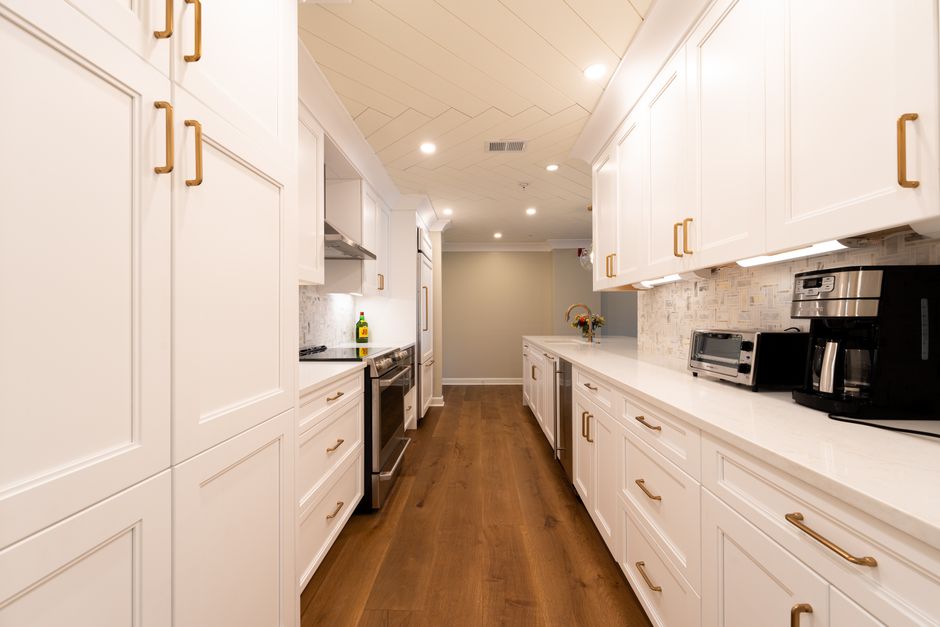
> Practical notes by area—home styles, access, HOA realities, and how those factors change kitchen remodeling planning in San Diego.
Next step: Call or text (858) 434-7166 for a fast, detailed estimate. Or: Request a quote at How neighborhood context affects a kitchen remodelHow neighborhood context affects a kitchen remodel
A kitchen remodel is never only the kitchen. In San Diego, neighborhood context changes logistics, hidden conditions, and sometimes the approval process. The same design can price differently because of access, demo/disposal rules, or what’s likely behind the walls.
Use this guide to anticipate practical constraints by area—not to stereotype your home. The goal is to ask better questions during the estimate phase, especially around access, staging, and how the contractor handles daily jobsite protection.
If you want the full planning framework (scope levels, timelines, and permit overview), start with the hub guide. If you’re budgeting, use the pricing guide alongside this neighborhood article.
La Jolla
La Jolla kitchens range from coastal condos to larger custom properties, and the “neighborhood” constraints often show up as logistics and finish expectations rather than a single home style. A tight garage, hillside driveway, or limited staging area can change how deliveries and daily work are scheduled.
On the construction side, coastal exposure can influence durability decisions. It’s not about fear; it’s about choosing hardware and finishes that hold up over time. If you’re near the water, good hinges, pulls, and quality coatings tend to age better than bargain options.
Design-wise, La Jolla homeowners often prioritize clean lines, integrated appliances, and strong lighting. Those choices can be excellent, but they require earlier decisions—especially the range/hood plan—because ventilation and cabinet design are tied together.
- Access and staging: plan where deliveries land, where debris exits, and where the crew parks day-to-day.
- Finish level: define your “must-haves” early so allowances match reality.
- Permit awareness: layout changes and system moves should be priced as such.
Best tip for La Jolla remodels: lock in appliance specs and ventilation early. It keeps cabinet design and rough-ins from becoming change orders later.
Encinitas
Encinitas is a blend of older homes, remodeled properties, and newer developments. That mix matters because older homes can hide uneven floors, legacy wiring approaches, or plumbing that needs updating once walls are opened. None of this is unusual—it just needs to be planned and budgeted.
If your home is within an HOA community, treat HOA approvals like their own timeline. Work hours, delivery restrictions, and documentation requirements can affect scheduling even when the city permit side is straightforward.
Encinitas kitchens often connect to outdoor living. If you’re using the kitchen as an entertaining hub, prioritize workflow and lighting. A good lighting plan and durable surfaces are usually more “felt” day-to-day than one premium finish upgrade.
- Ask your contractor how they handle discovery in older homes (panel capacity, floor level, vent path).
- Get HOA remodeling guidelines early and share them before proposals are finalized.
- Compare bids by scope, not price—electrical and lighting are common omission areas.
Best tip for Encinitas remodels: if you’re upgrading appliances, choose them early. Appliance specs drive rough-ins and cabinet layout details.
North Park
North Park includes many older homes with character—and with older systems. Remodel planning here frequently includes a little more investigation: how the electrical is distributed, whether the floors are flat enough for modern cabinetry, and whether there’s evidence of past leaks around exterior walls or windows.
Street parking and tighter lots can change daily productivity. If the crew spends the first hour finding parking or moving materials from far away, the schedule suffers. That’s why we ask about staging up front and plan for respectful neighbor impact.
From a design perspective, many North Park kitchens benefit from better storage zones and improved sight lines. But if you’re opening walls, be honest about whether you’re in “full gut” territory so permits, structure, and costs are aligned.
- Plan access: where is the dumpster, where are cabinet deliveries staged, and what hours are practical?
- Expect some leveling/patching in older homes; build it into the plan so cabinet installs stay precise.
- Choose a contractor with a clear change-order process—older homes can reveal surprises.
Best tip for North Park: a careful pre-demo walk-through that looks at panel capacity, vent paths, and floor level reduces mid-project pivots.
Clairemont
Clairemont has many mid-century layouts where kitchens can feel closed-off or short on storage. The good news is that small layout improvements—better entry points, smarter islands, and upgraded pantry storage—often create a big daily impact.
Mid-century homes can include soffits that conceal ducting or older runs. If your plan includes opening ceilings or changing duct routes, talk through the ventilation path before you finalize cabinet design. That’s how you avoid the “beautiful hood with poor performance” outcome.
Because many Clairemont projects are about function, we often advise homeowners to invest in storage and lighting first, then choose finishes that make sense for the budget.
- If you’re considering wall changes, confirm structure and permit implications early.
- Plan storage zones (prep, cooking, pantry) before choosing cabinet door style.
- Make under-cabinet lighting part of the initial plan—not an afterthought. When you're ready to move forward, (858) 434-7166 for a fast, detailed estimate.
--- Local logistics matter. Plan your remodel like a neighbor—not like a TV show. Request a quote at (858) 434-7166 | Website: (858) 434-7166 for a fast, detailed estimate. ---
Ready to Start Your San Diego Project?
Connect with
Ready to start your San Diego remodeling project?
Get a Free Estimate from RemodelSDReady to Start Your Remodel?
Call/Text: (858) 434-7166
Email: info@remodellsd.com
Get Your Free QuoteRelated Articles
Cost Breakdown for San Diego Homeowners
Understanding the full cost scope helps you budget accurately and avoid surprise expenses during your project. In San Diego, CA, here's what you can expect:
- Typical project range: $25,000–$80,000 depending on size, materials, and complexity
- Permit fees: Vary by jurisdiction, typically $200–$2,000 for residential projects in San Diego County
- Material costs: Typically 40–50% of total project budget
- Labor costs: Typically 40–50% of total project budget
- Contingency fund: Always budget 10–15% extra for unforeseen issues, especially in older San Diego homes
The final cost depends on your specific property conditions, the quality of materials you select, and current labor rates in the San Diego market. Homes in neighborhoods like La Jolla and Pacific Beach may have different considerations due to lot size, access, and existing construction quality.
San Diego-Specific Considerations
Every San Diego remodeling project must account for local building codes, climate factors, and neighborhood characteristics:
- Permit requirements: Electrical and plumbing permits typically required. Contact City of San Diego Development Services for current requirements.
- Climate considerations: Mediterranean climate with year-round sunshine, average 70°F, minimal rainfall May through October. Material selection should account for temperature variations and sun exposure.
- Neighborhood specifics: San Diego neighborhoods including La Jolla, Pacific Beach, Mission Valley, Hillcrest, North Park each have unique zoning rules, HOA restrictions, and architectural character that impact remodeling decisions.
- Property values: Average home values in San Diego are around $850,000, making quality remodeling a strong investment for equity building.
- Contractor licensing: Always verify your contractor's CSLB license. We carry CSLB #1054602 and maintain current insurance and bonding.
Project Timeline & Process
A typical project in San Diego follows this timeline:
- Initial consultation (1–2 weeks): On-site assessment, measurements, and discussion of your goals and budget
- Design & planning (2–4 weeks): Detailed plans, material selection, and permit submission to City of San Diego Development Services
- Permit processing (2–6 weeks): Varies by jurisdiction and project scope — San Diego permit timelines can vary significantly
- Construction (4–8 weeks): The actual build phase, with regular progress updates and quality inspections
- Final inspection & walkthrough (1 week): Punch list resolution, final cleaning, and project handover
Total project duration typically runs 3–6 months from initial consultation to completion, depending on permit timelines and project complexity. We provide detailed schedules and weekly progress reports throughout construction.
Key Considerations Before You Start
Before beginning your project in San Diego, consider these critical factors:
- Cabinet refacing vs replacement cost analysis
- Countertop material comparison: quartz, granite, marble
- Appliance package selection and energy efficiency
- Open concept layout vs traditional galley kitchen
- Smart home integration for modern kitchens
Why Work With a Local San Diego Contractor
Choosing a locally-based, licensed contractor for your San Diego project provides significant advantages:
- Local knowledge: We understand San Diego building codes, permit processes, and inspection requirements — avoiding costly delays and rework
- Established relationships: We work regularly with City of San Diego Development Services inspectors and local suppliers, streamlining your project
- Quick response: Local presence means faster site visits, quicker problem resolution, and ongoing support after project completion
- Community accountability: As a San Diego-area contractor, our reputation depends on every project we complete in the community
- Warranty support: We stand behind our work with comprehensive warranties and local service — no out-of-town contractor disappearing after the job
Call us at (858) 434-7166 to schedule your free consultation. We serve all of All of San Diego County including coastal communities, inland valleys, and North County cities.
Frequently Asked Questions
How much does a project cost in San Diego?
Project costs in San Diego typically range from $25,000–$80,000 depending on scope, materials, and property conditions. We provide detailed, itemized estimates after an on-site consultation so you know exactly what you're paying for.
Do I need a permit for my project in San Diego?
Electrical and plumbing permits typically required. We handle all permit applications and coordinate with City of San Diego Development Services on your behalf, ensuring your project meets all local building codes and passes inspection.
How long does a typical project take in San Diego?
The construction phase typically takes 4–8 weeks, but the full process from consultation to completion usually spans 3–6 months including design, permitting, and construction. We provide detailed timelines during the planning phase.
Are you licensed and insured in California?
Yes. We carry CSLB license #1054602, maintain comprehensive general liability insurance, and carry workers' compensation coverage. We're happy to provide proof of licensing and insurance before starting any project.
What areas do you serve around San Diego?
We serve All of San Diego County including coastal communities, inland valleys, and North County cities. This includes neighborhoods and communities such as La Jolla, Pacific Beach, Mission Valley, Hillcrest, North Park, Clairemont, and surrounding areas. Call (858) 434-7166 to confirm we serve your location.